
Xeriscaping & Eco Landscaping
What Is Xeriscaping & Eco Landscaping?
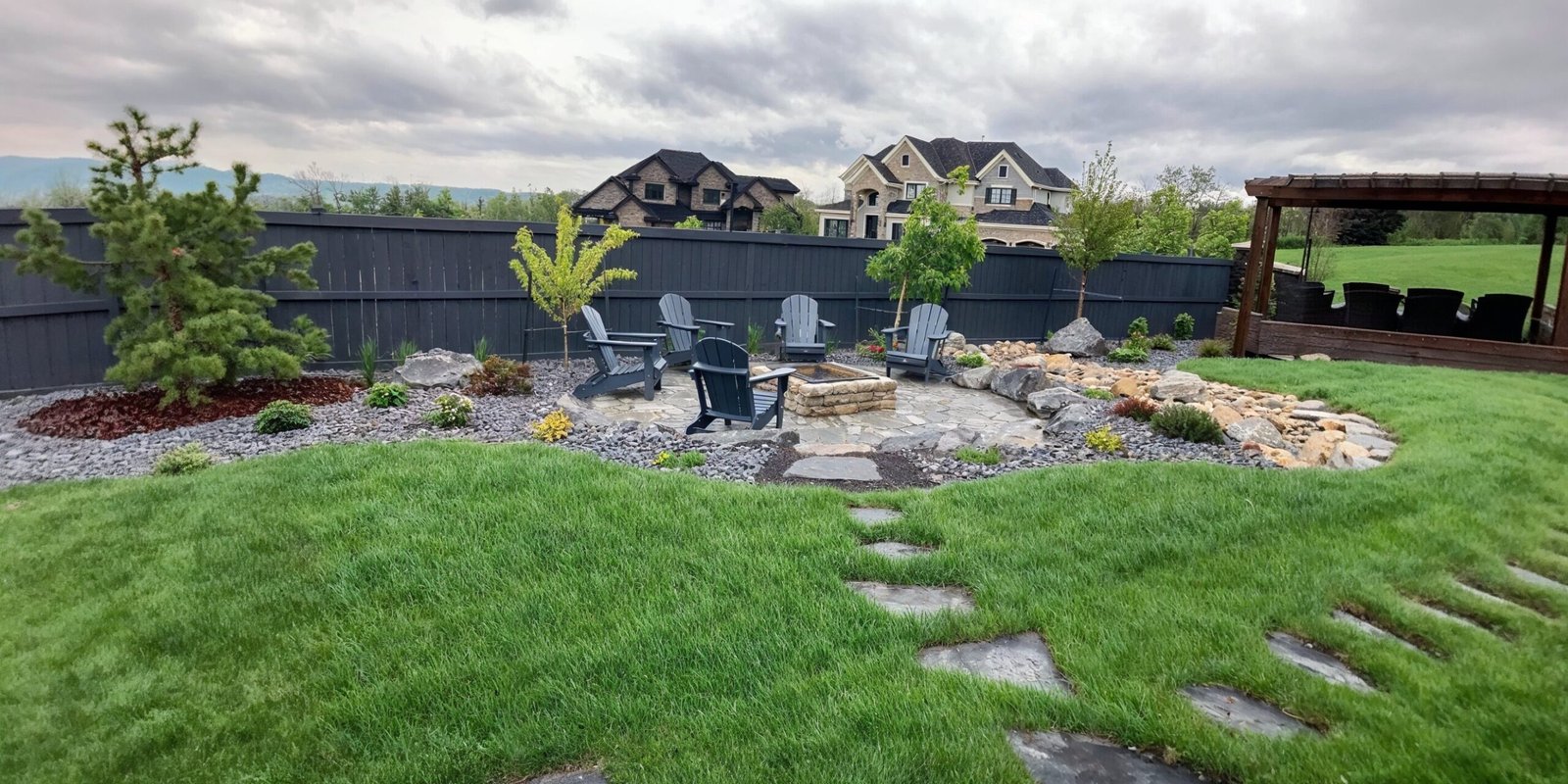
Xeriscaping and eco landscaping are sustainable landscape design methods that reduce or eliminate the need for irrigation, fertilizers, and high-maintenance lawn care. In Edmonton, where water conservation and climate resilience are growing priorities, these methods rely on drought-tolerant plants, improved soil conditions, and efficient layouts that thrive with minimal resources. This approach balances visual appeal with environmental responsibility—making it ideal for both residential and urban lots.
Key features of xeriscaping and eco landscaping include:
- Drought-resistant perennials, grasses, and shrubs adapted to Zone 3b
- Mulch, gravel, or rock groundcovers that reduce evaporation and weed growth
- Drip irrigation systems or rain barrel integration to conserve water
- Grading techniques that direct stormwater into planting zones
- Removal or reduction of high-maintenance turf grass
These landscapes are designed to thrive in Edmonton’s dry summers and cold winters without frequent watering or chemical inputs.
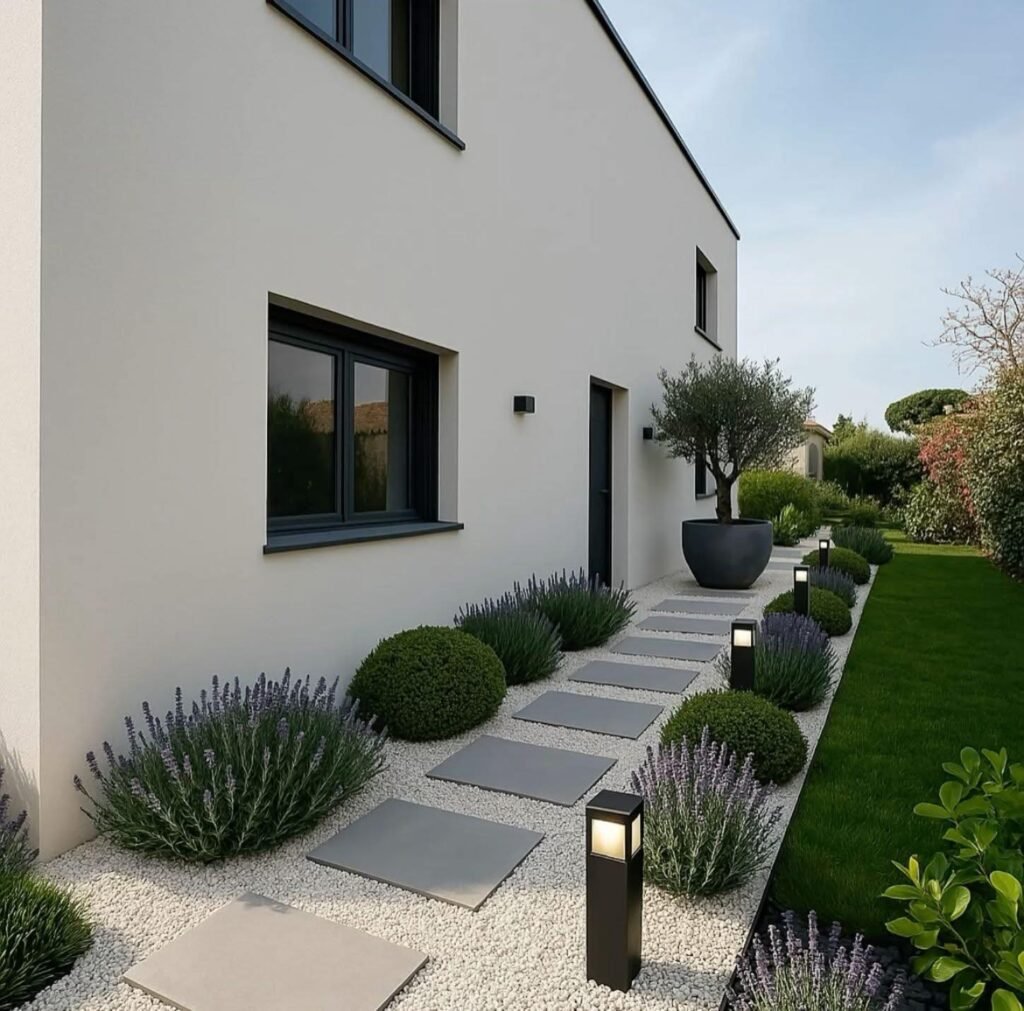
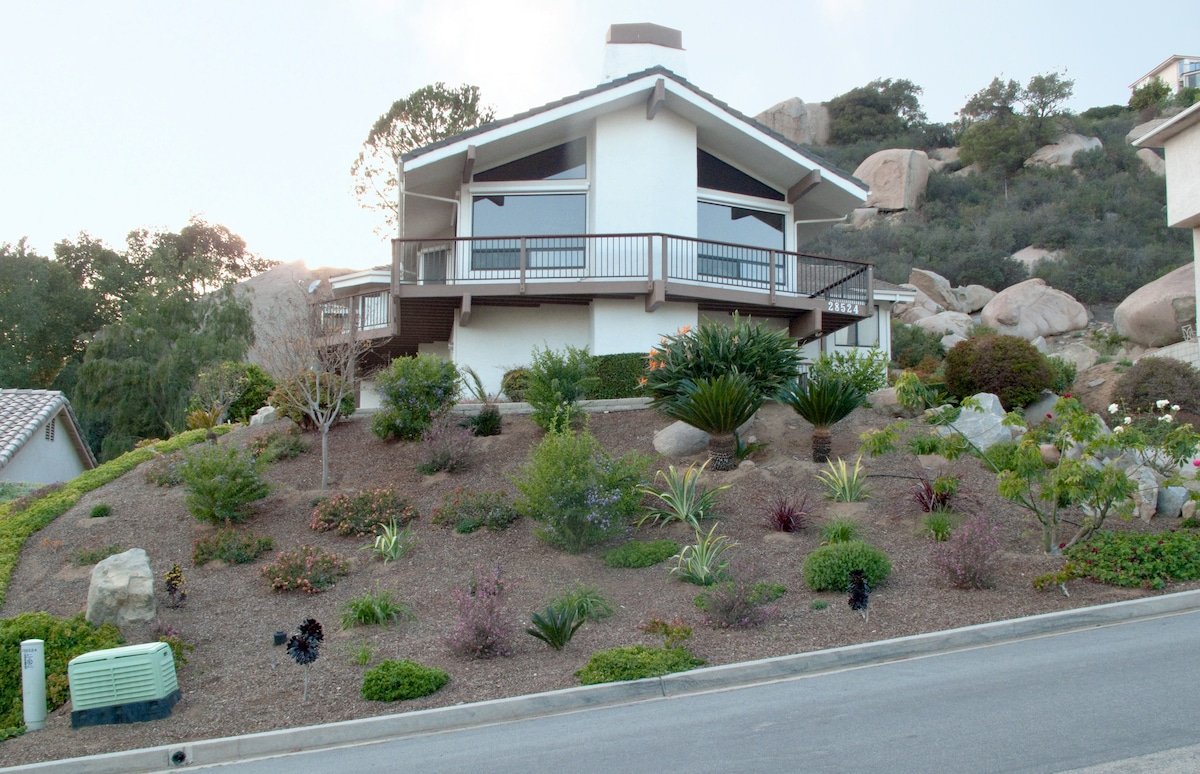
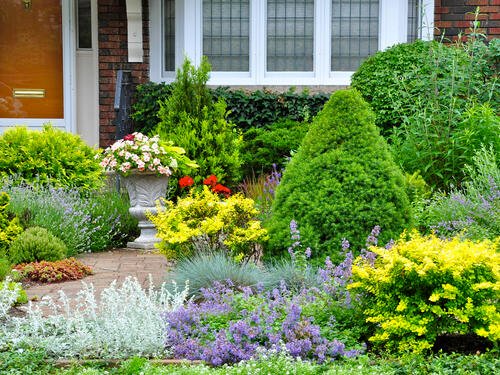
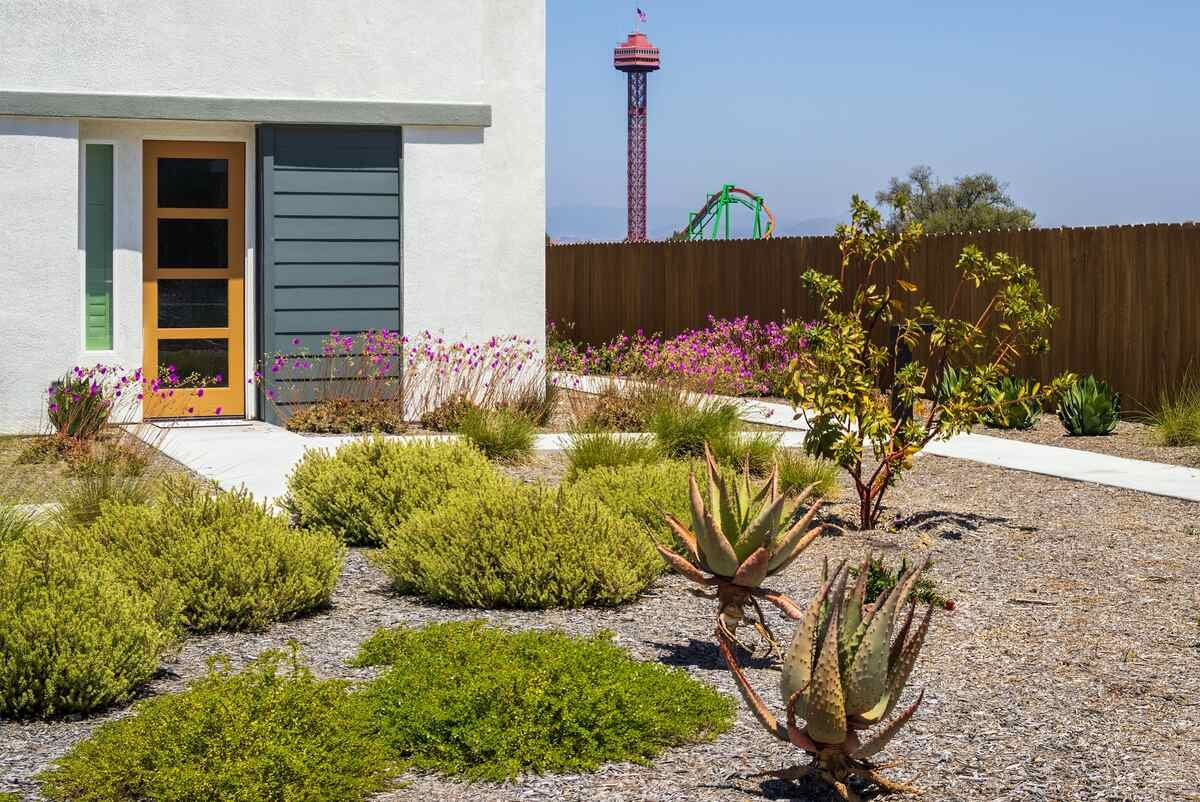
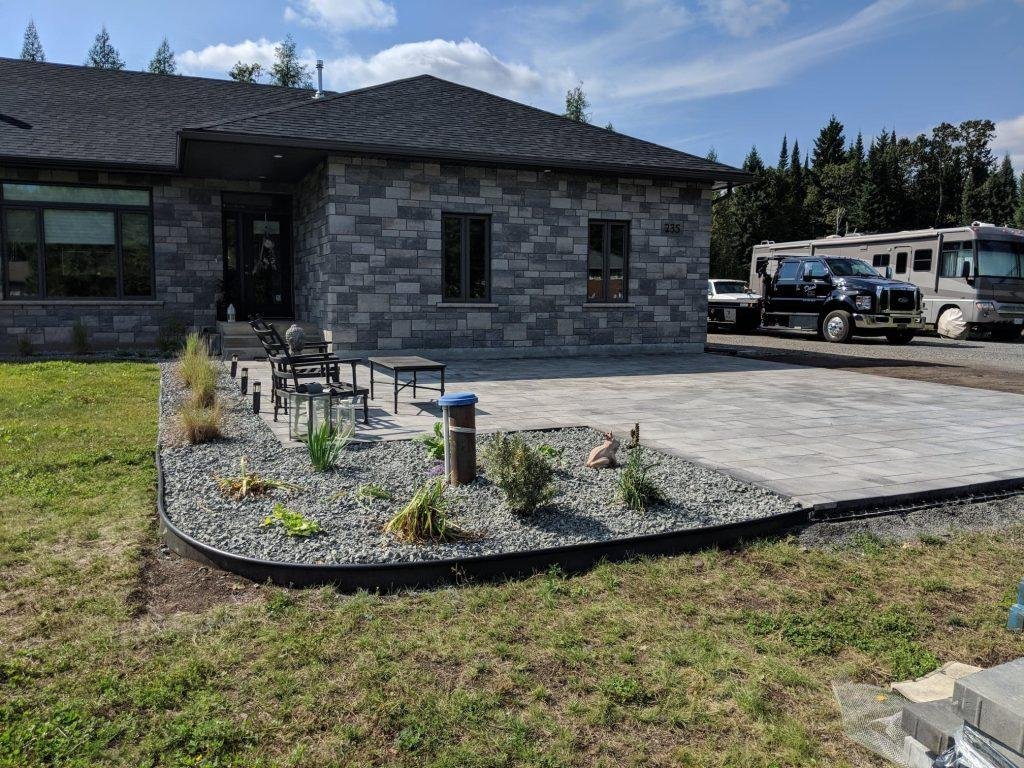
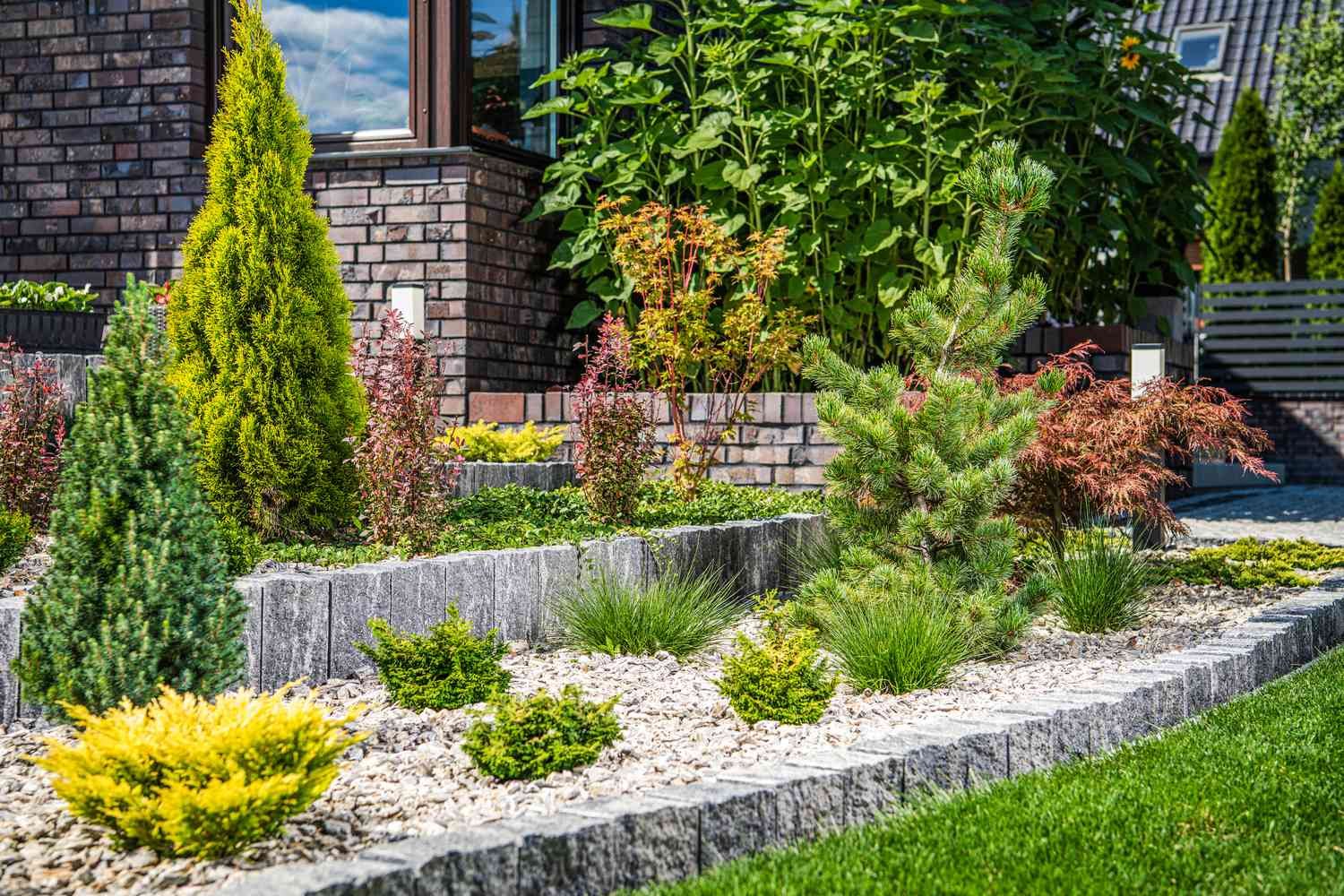
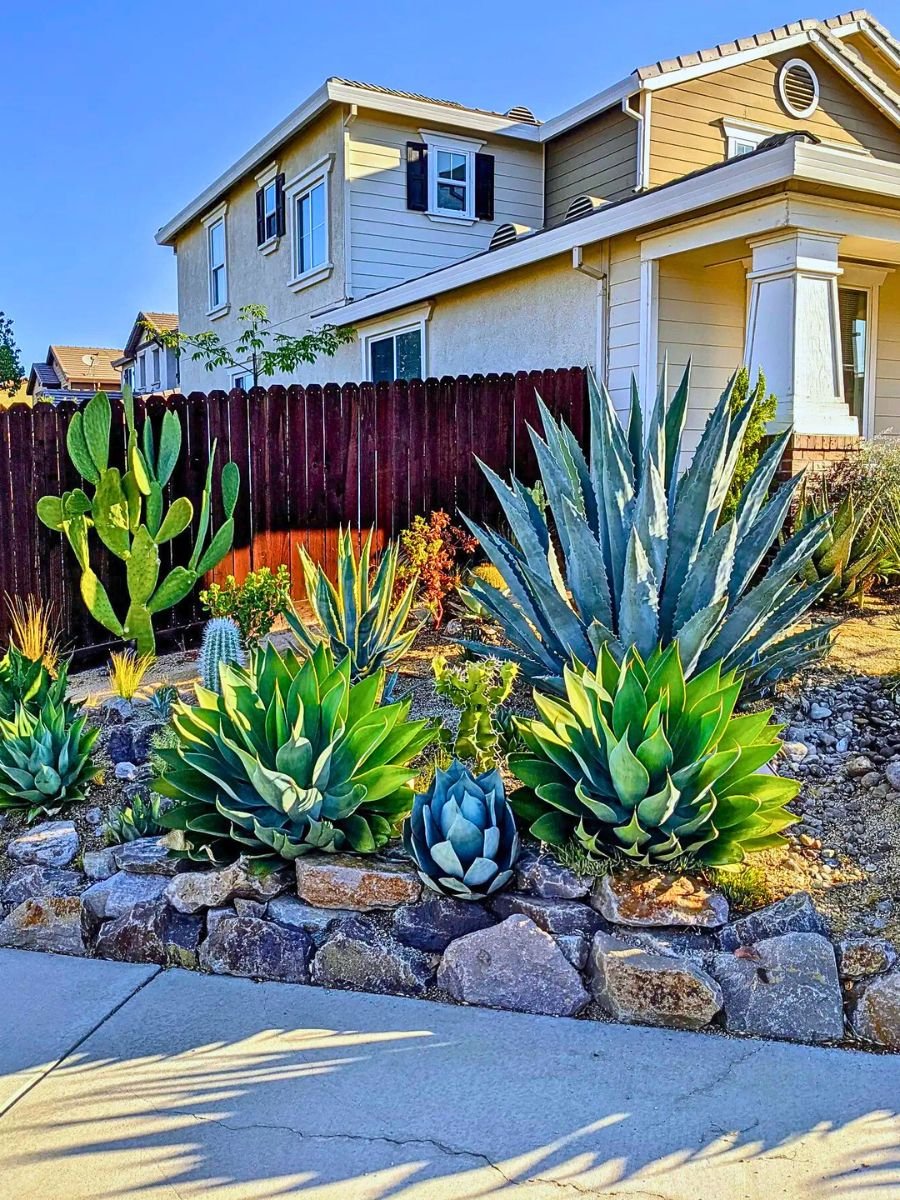
Why You Might Need Xeriscaping & Eco Landscaping in Edmonton
Are you dealing with dry, patchy lawns, rising water bills, or a yard that struggles during hot summers and early frosts?
Many Edmonton homeowners find traditional landscaping expensive to maintain and poorly suited to local climate conditions. Lawns often require constant watering, fertilizers, and repair—especially after long winters or extreme weather shifts. Without climate-appropriate planning, landscapes become high-cost and short-lived.
Xeriscaping and eco landscaping help solve these problems by:
Lowering outdoor water use by up to 60%
Reducing reliance on fertilizers, pesticides, and maintenance equipment
Improving soil health through natural compost and mulching methods
Increasing long-term sustainability with native and resilient plant species
Creating attractive outdoor spaces that require less weekly upkeep
This service supports Edmonton property owners in building practical, low-impact yards that hold up over time without sacrificing appearance.
- Our Services
Projects you want to achieve relaxing garden functional.
Low Maintenance LandScaping
Installation of landscapes that require minimal upkeep throughout the seasons.
LANDSCAPE lIGHTNING
Professional setup of lighting systems to improve visibility and outdoor safety.
LandScaping Renovations
Full redesign and rebuild of existing landscapes to improve layout and use.
xeriscaping & eco landscaping
Development of drought-resistant yards using native plants and efficient watering systems.
Water Features
Installation of ponds, fountains, and waterfalls to add sound and motion to outdoor spaces.
Boulders & Natural Stones
Placement of large stones and natural rock to define space and add contrast.
Custom Infill Renovations
Reconstruction of smaller urban yards to improve space usage and appearance.
Retaining Walls
Construction of walls that hold back soil, manage slopes, and form strong borders.
Backyard Landscaping
Planning and installation of backyard areas for relaxation, entertainment, and function.
Front Yard Landscaping
Creation of front yard designs that improve appearance and add structure.
Artificial Turf & Sod
Delivery and installation of synthetic grass or real sod for instant green space.
Patio Construction
Building of patios using pavers, concrete, or stone for outdoor living areas.
Hardscaping
Installation of stone, concrete, or brick elements such as walkways, borders, and surfaces.
Softscaping
Planting of trees, shrubs, flowers, and ground cover to complete landscape layouts.
Planting Services
Selection and installation of climate-suitable plants for gardens and yard spaces.
Outdoor Structures
Building of wood-based features including screens, enclosures, and shade structures.
- Landscape Design
- Design & Build
- Carpentry
- Residential Maintenance
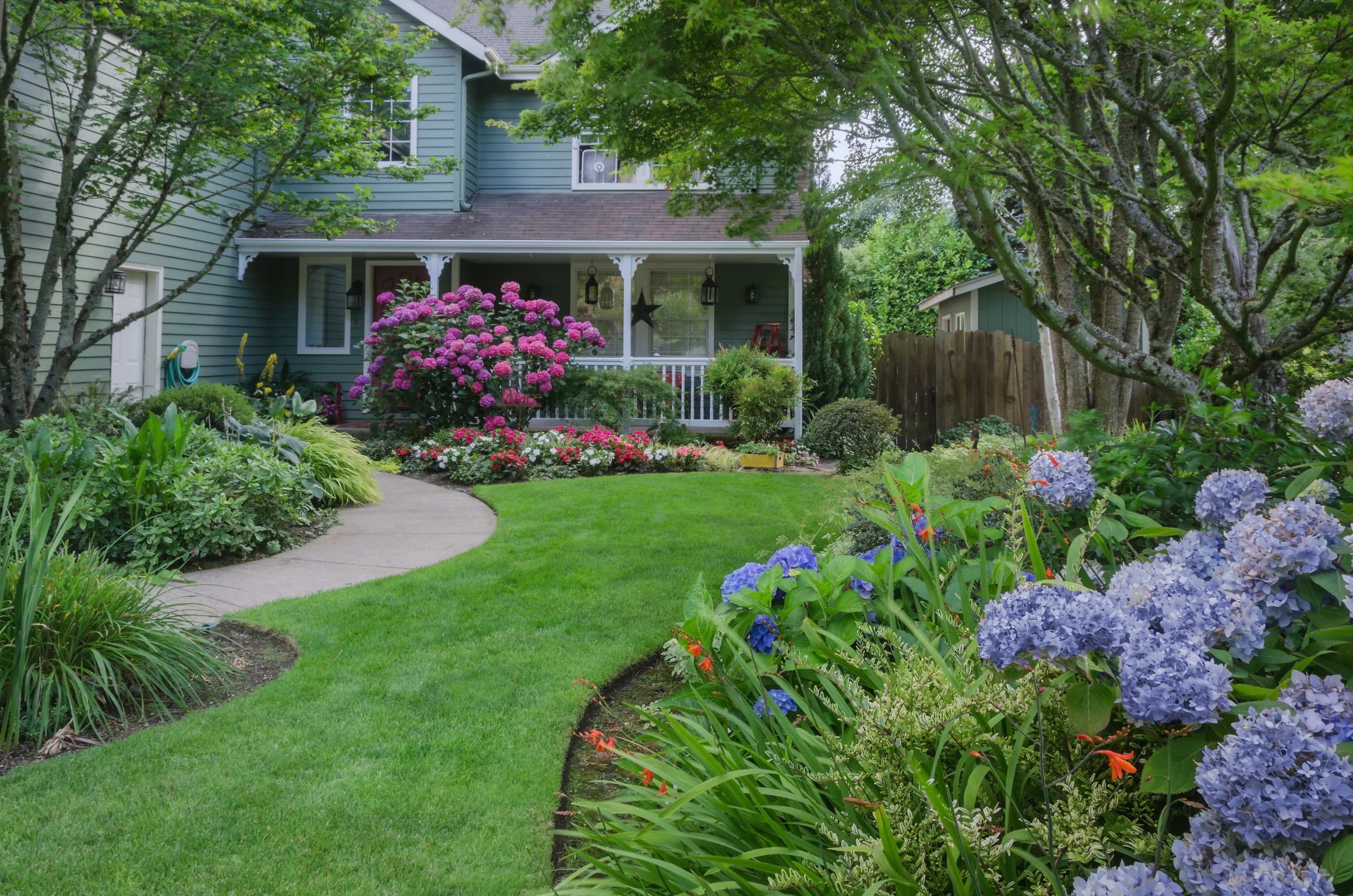
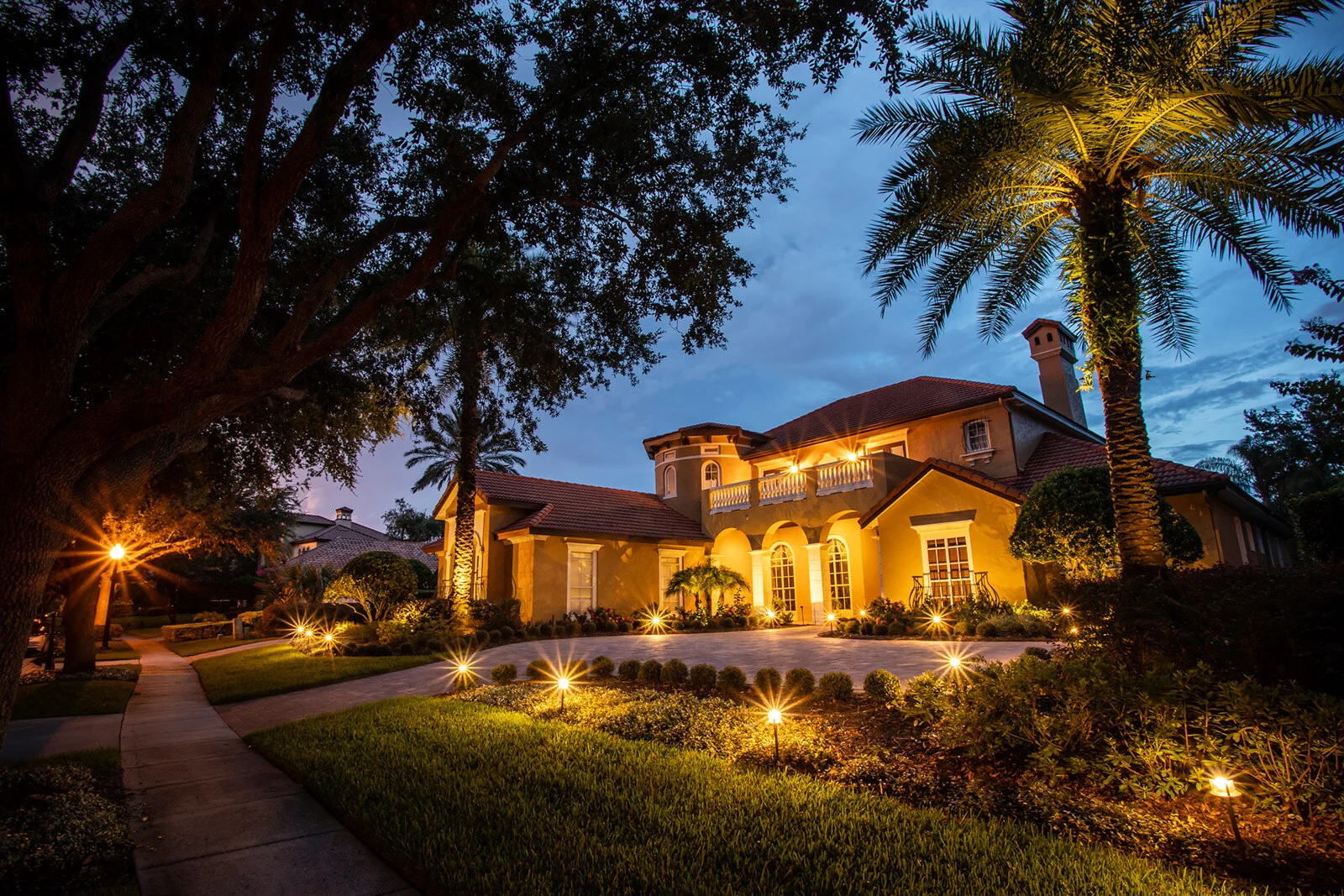
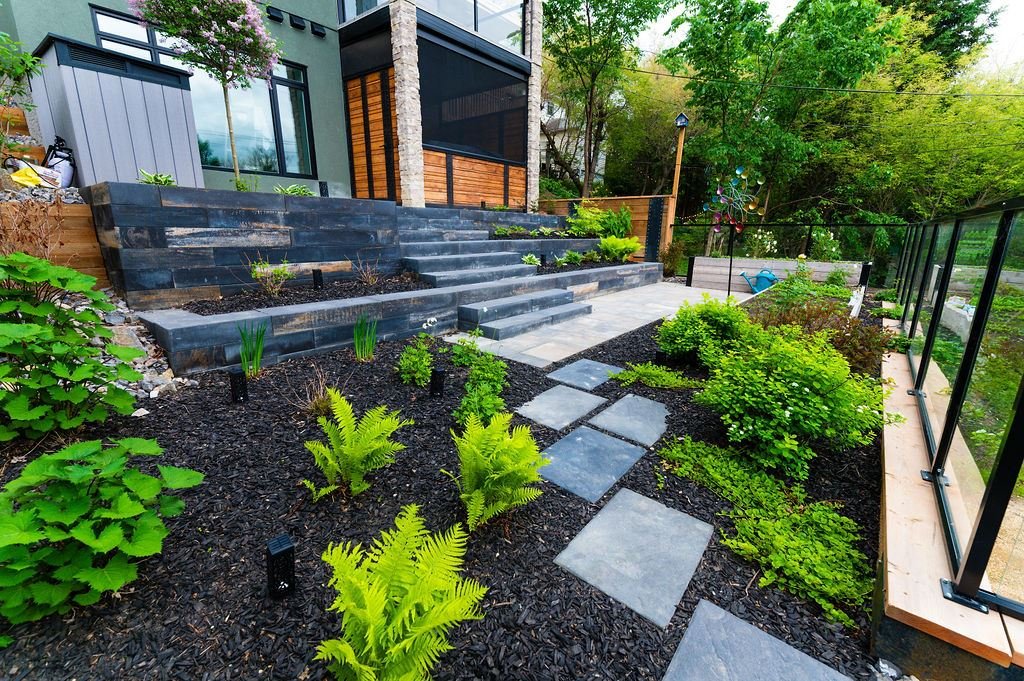
Low Maintenance Landscaping
Installation of landscapes that require minimal upkeep throughout the seasons.
Xeriscaping & Eco Landscaping
Development of drought-resistant yards using native plants and efficient watering systems.
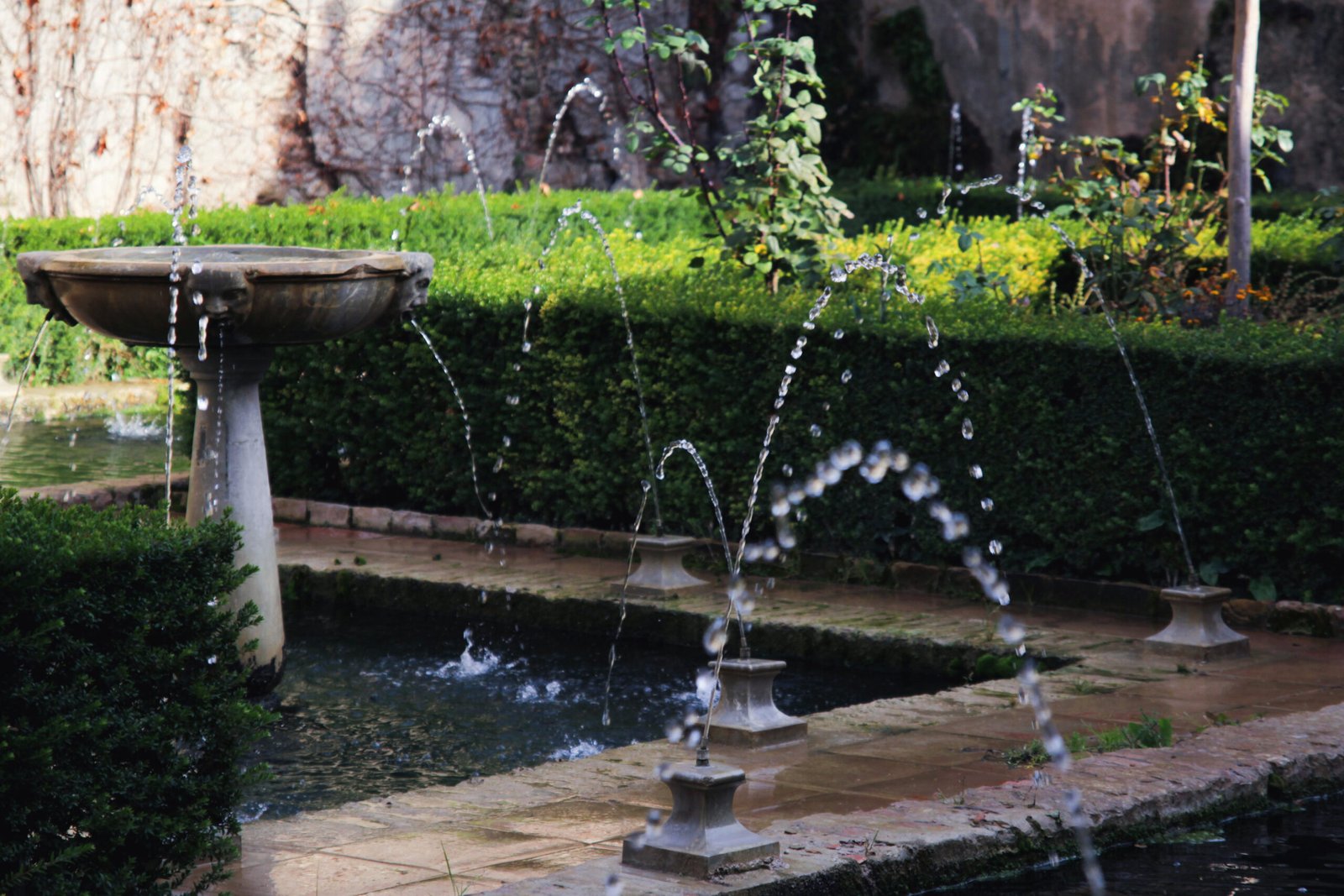
Water Features
Installation of ponds, fountains, and waterfalls to add sound and motion to outdoor spaces.
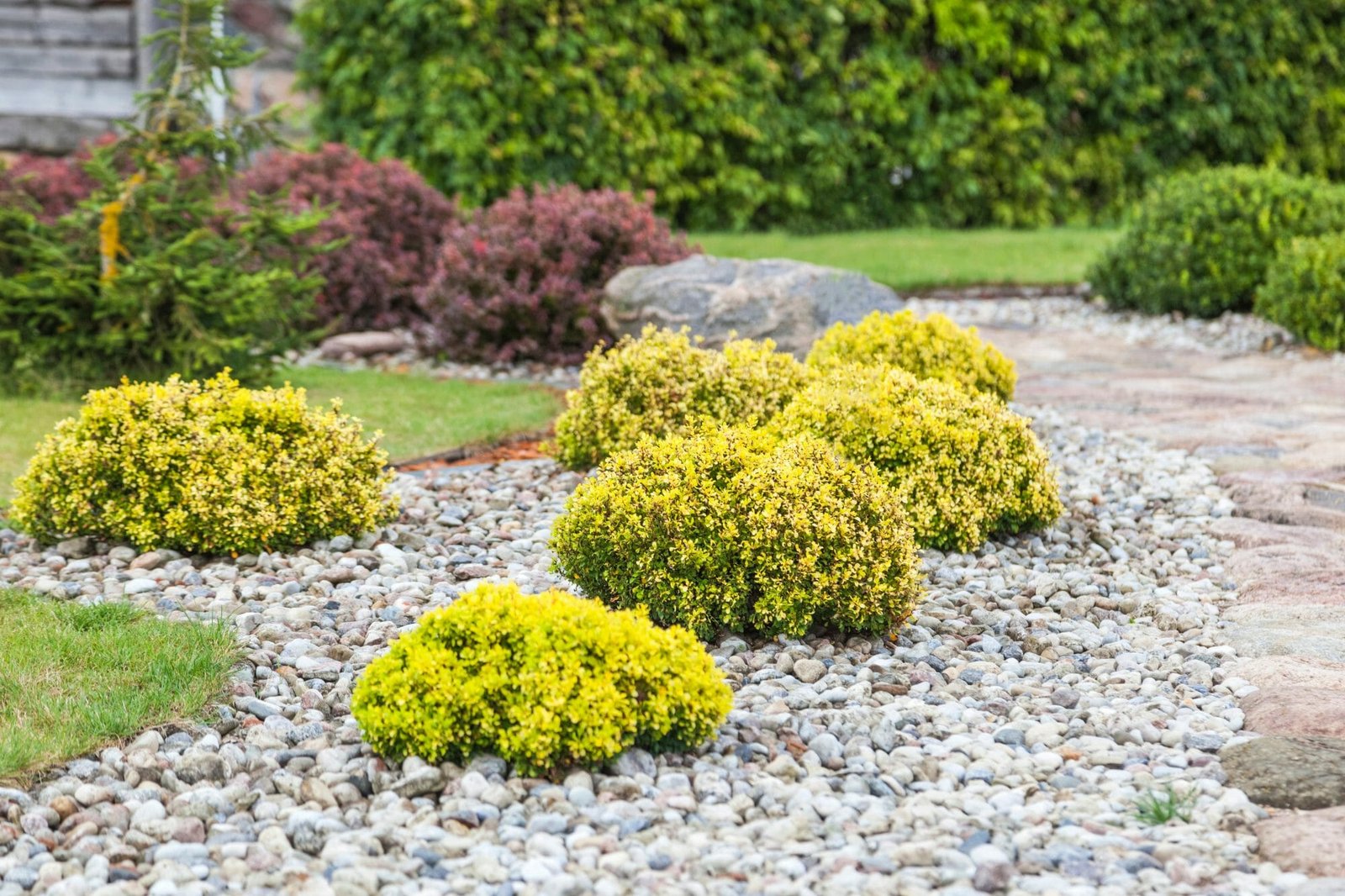
Boulders & Natural Stones
Placement of large stones and natural rock to define space and add contrast.
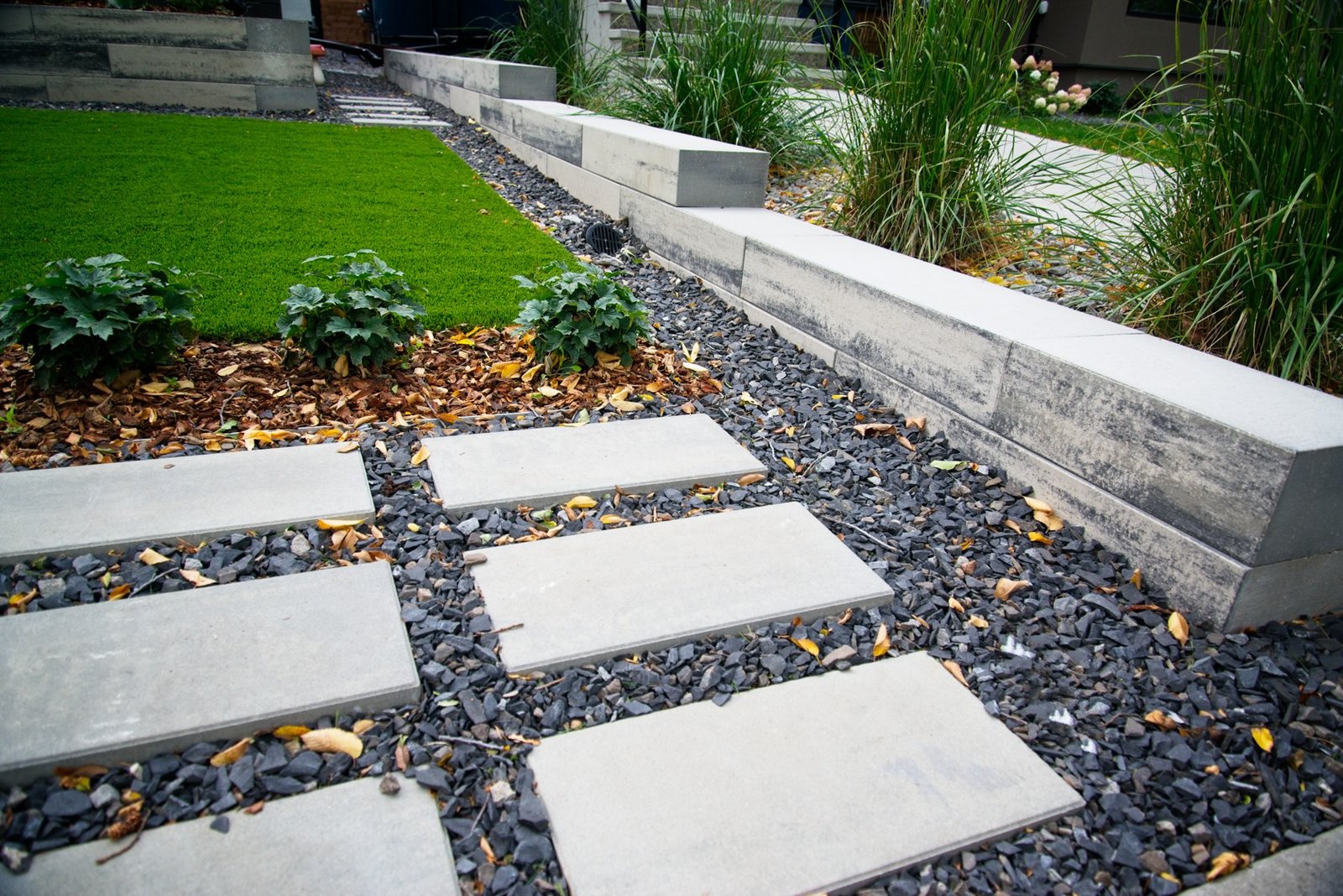
Custom Infill Renovations
Reconstruction of smaller urban yards to improve space usage and appearance.

Book xeriscaping and eco landscaping services in Edmonton today.
- Get in Touch
Determine You Want To Achieve Relaxing Garden An Functional.
Frequently Asked Questions
Common choices include yarrow, blue fescue, potentilla, creeping thyme, Karl Foerster grass, juniper, and sedum—each thrives in Zone 3b with low water use.
Yards that replace turf with mulch, rock, and drought-tolerant plants typically reduce water use by 40–60% during the growing season.
Not always. Some designs keep small lawn sections or use low-water grass alternatives like fescue blends or artificial turf.
Initial costs may be slightly higher than basic sod, but long-term savings on water and maintenance make it more cost-effective over time.
Most projects are completed in 2 to 4 weeks depending on lot size, grading needs, and material availability.