
Softscaping
What Is Softscaping in Landscaping?
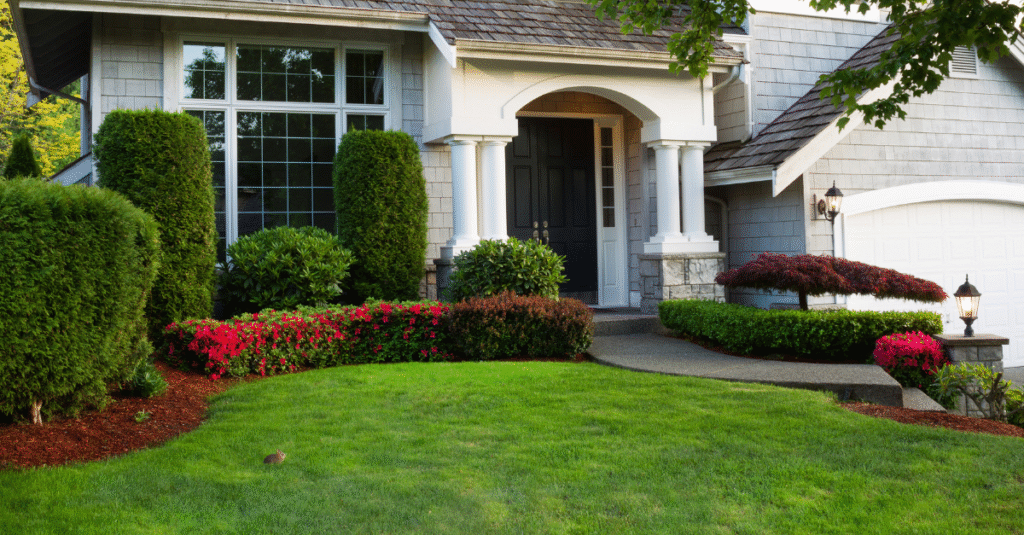
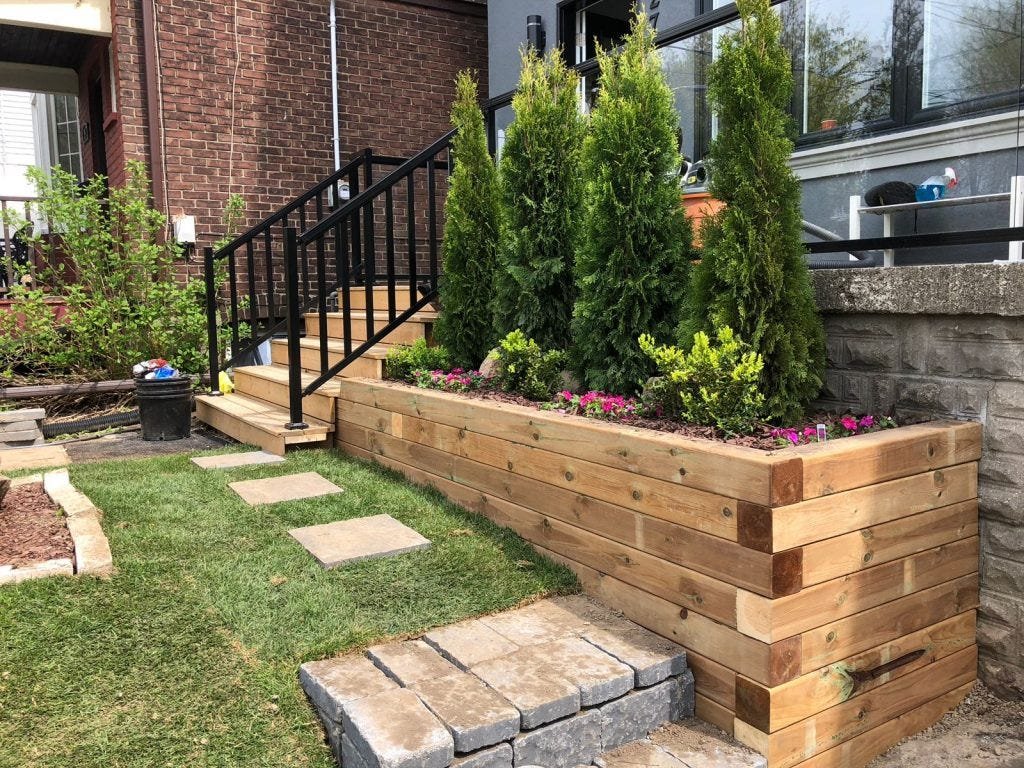
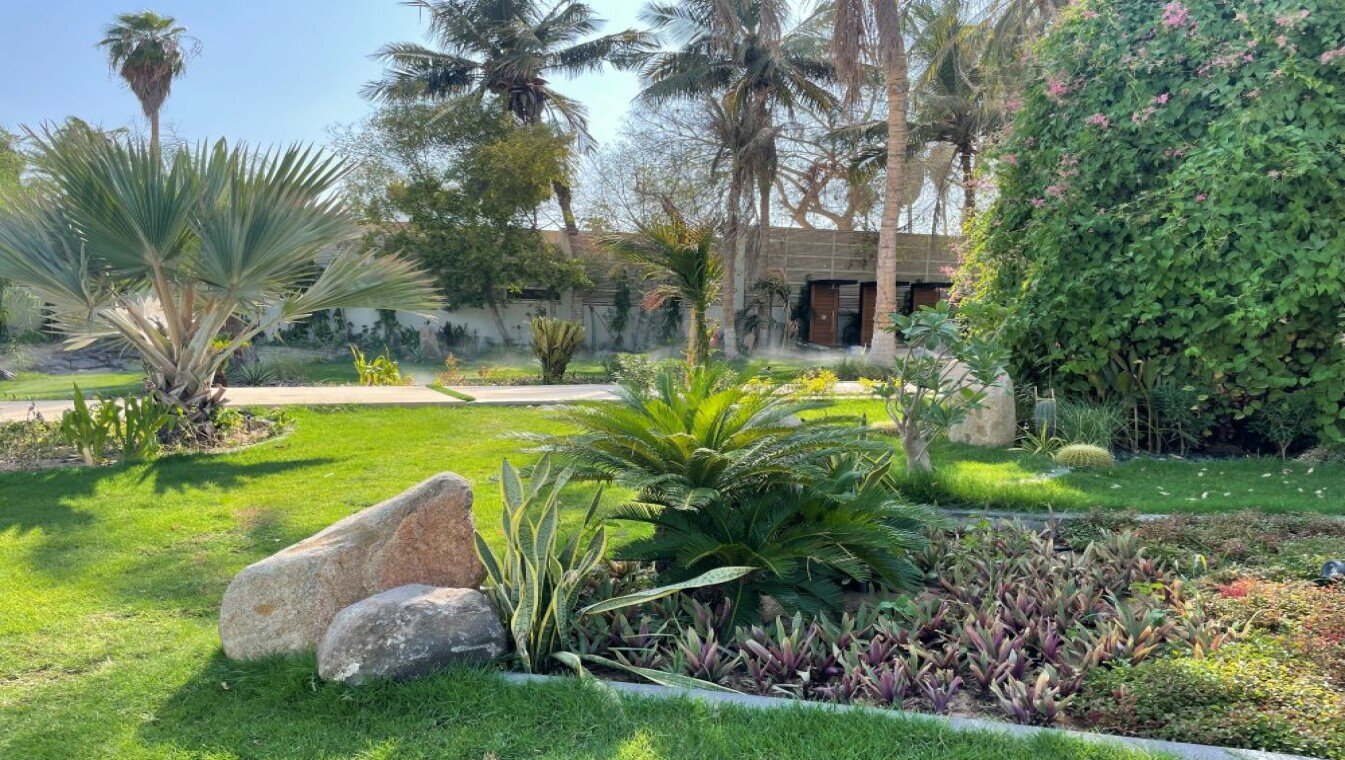
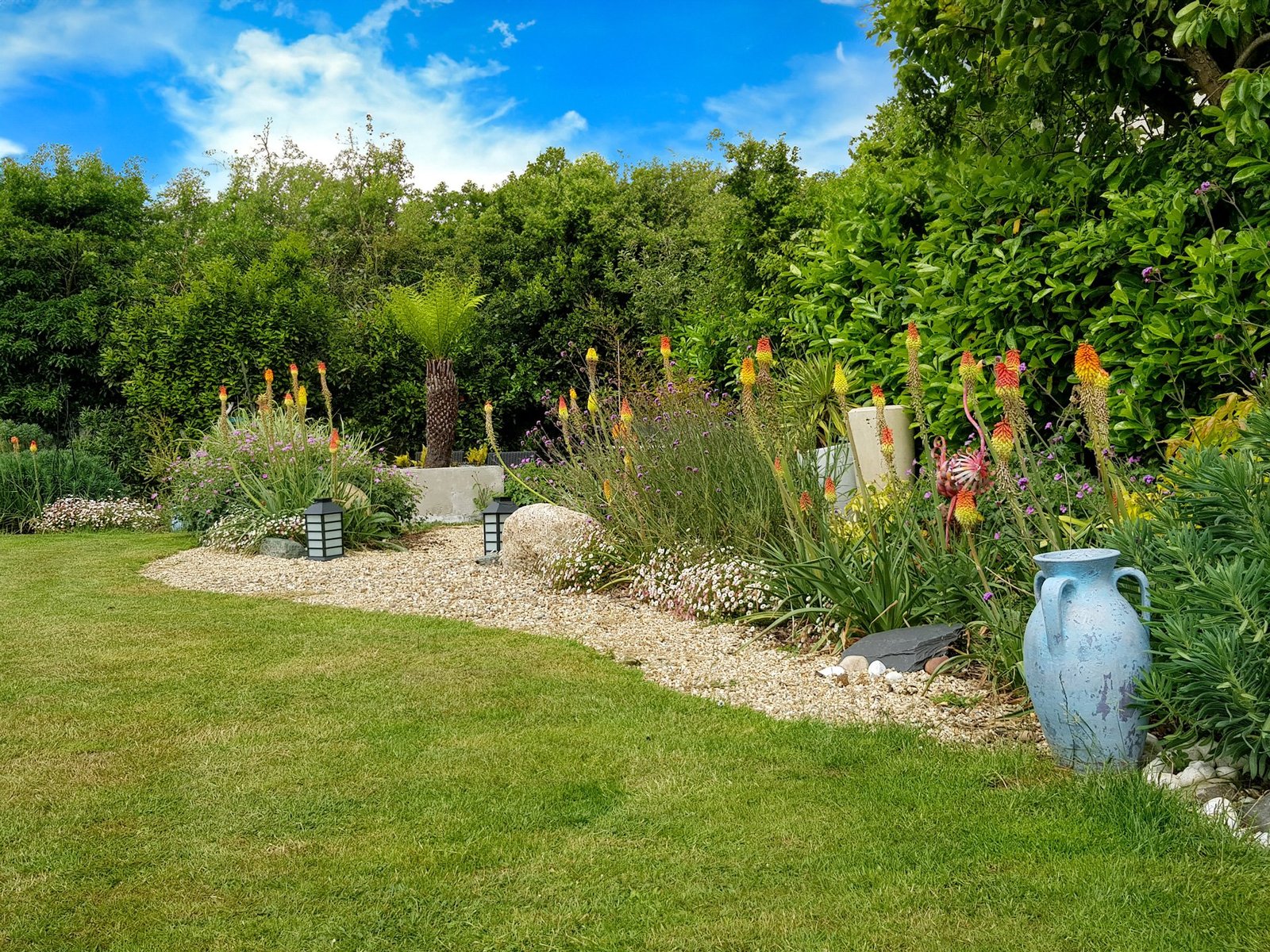
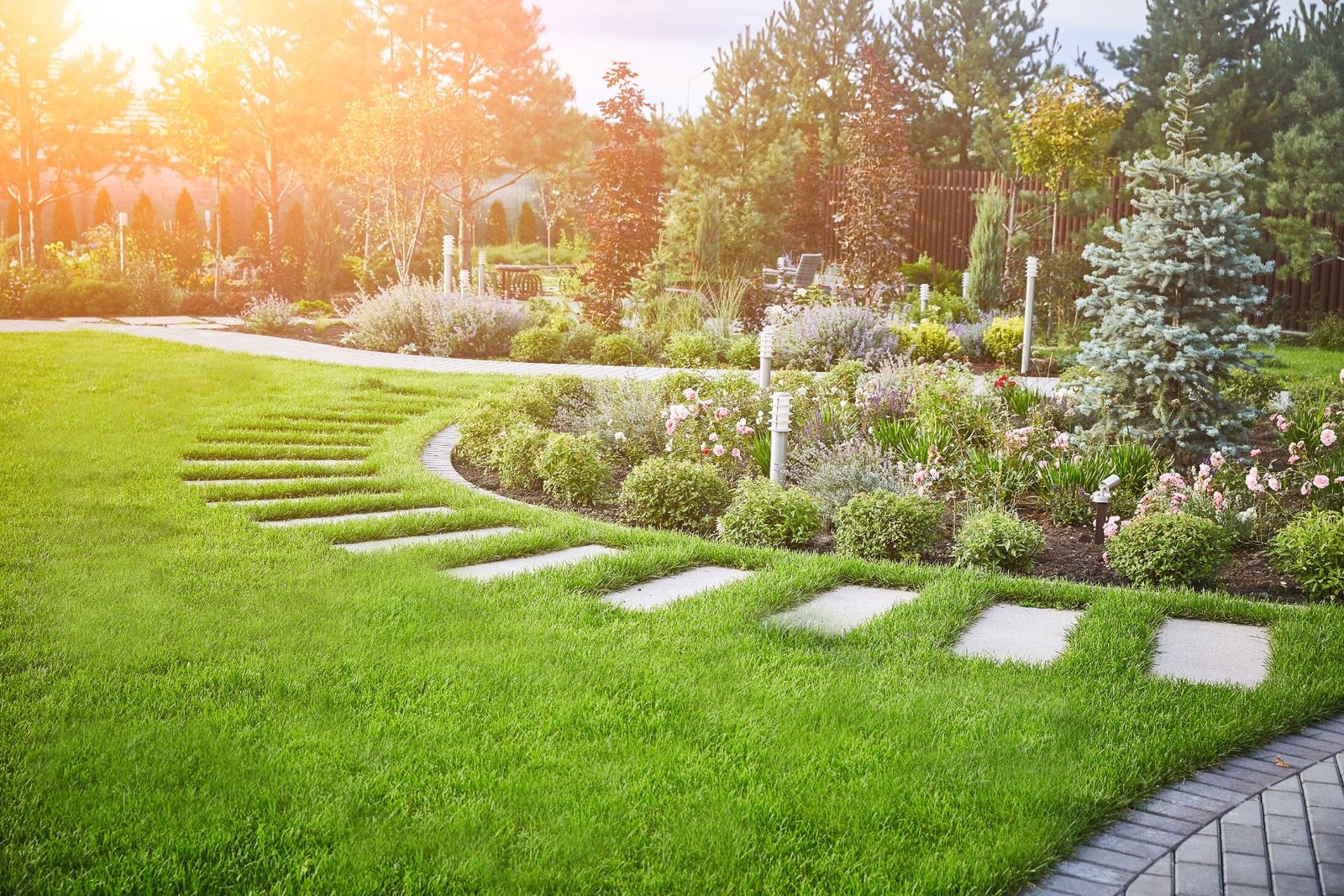
Softscaping refers to the living and organic elements in a landscape—such as plants, soil, mulch, and garden beds—that bring texture, color, and movement to outdoor spaces. In Edmonton, softscaping plays a key role in creating inviting, climate-adapted yards that balance the hard surfaces of patios, walkways, and retaining walls. This service involves the selection and installation of plant materials that thrive in Zone 3b and the design of garden layouts that work with Edmonton’s unique growing conditions.
Key features of softscaping include:
- Trees, shrubs, grasses, and perennials suited for Edmonton’s short growing season
- Mulch and groundcover to retain moisture and reduce weeds
- Soil preparation and grading for healthy root growth
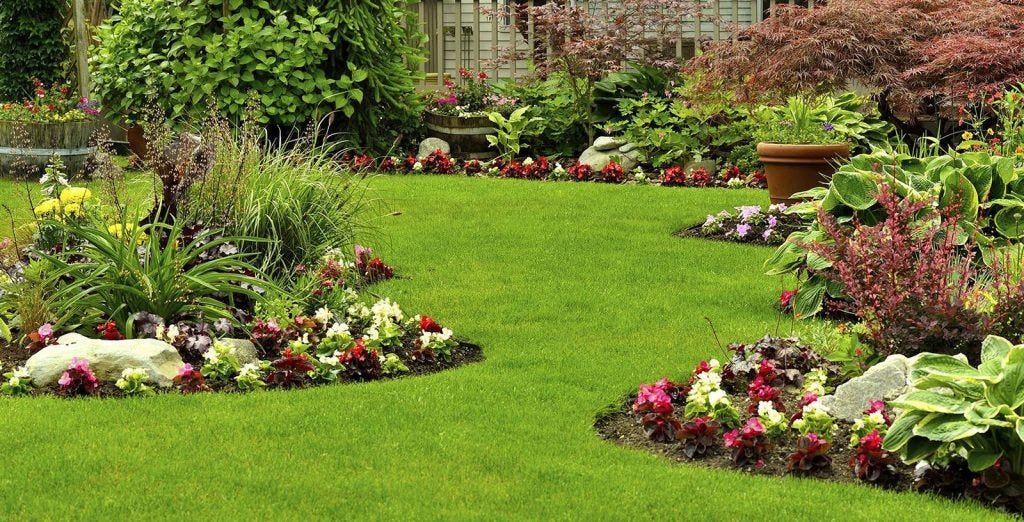
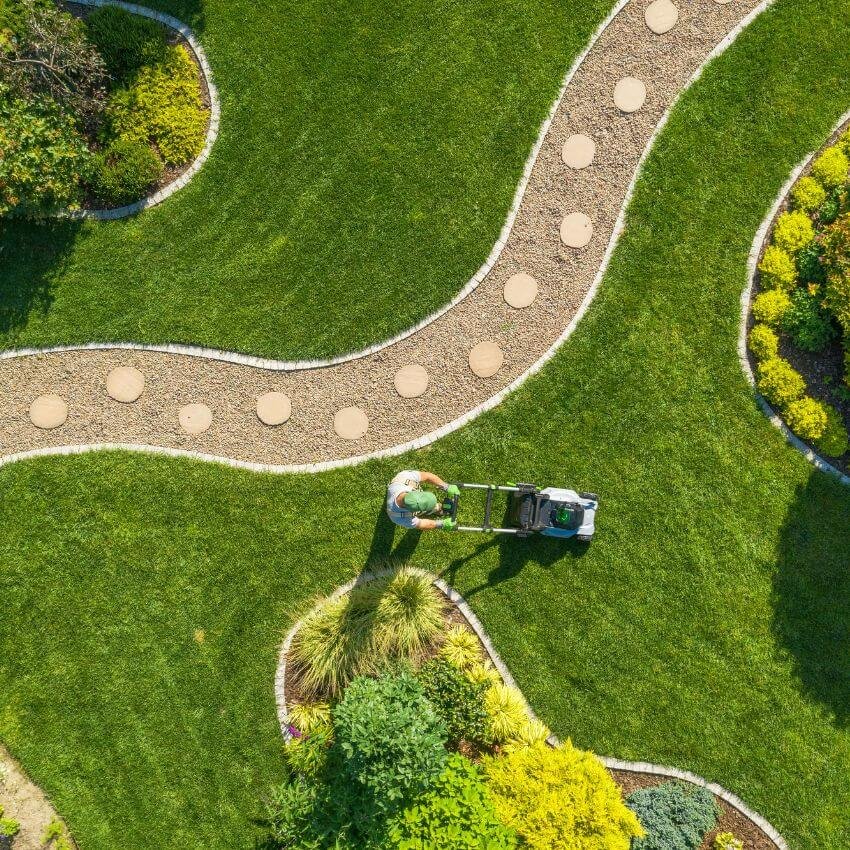
- Plant bed layout and edging for clean structure
- Seasonal colour and interest using flowering plants and evergreens
Softscaping is the living layer of the landscape, responsible for bringing natural beauty, environmental value, and long-term growth to every outdoor space.
Why You Might Need Softscaping in Edmonton
Is your yard lacking greenery, seasonal colour, or balance between hard surfaces and natural elements? Are you unsure how to choose plants that will survive harsh winters and dry summers?
Many Edmonton yards feel incomplete without thoughtful softscaping. Without proper planting, soil preparation, and layout, outdoor spaces often look bare, uneven, or high-maintenance. Traditional approaches using turf grass alone may require too much water and offer little visual appeal.
Softscaping helps solve these problems by:
Adding texture, movement, and shade with trees and shrubs
Introducing seasonal colour and pollinator-friendly plants
Improving soil quality and water efficiency with mulching and grading
Creating a finished look that softens the edges of patios, walkways, and walls
Supporting long-term plant health with professional installation and layout
This service brings warmth, vibrancy, and year-round interest to Edmonton landscapes while reducing ongoing upkeep.
- Our Services
Projects you want to achieve relaxing garden functional.
Low Maintenance LandScaping
Installation of landscapes that require minimal upkeep throughout the seasons.
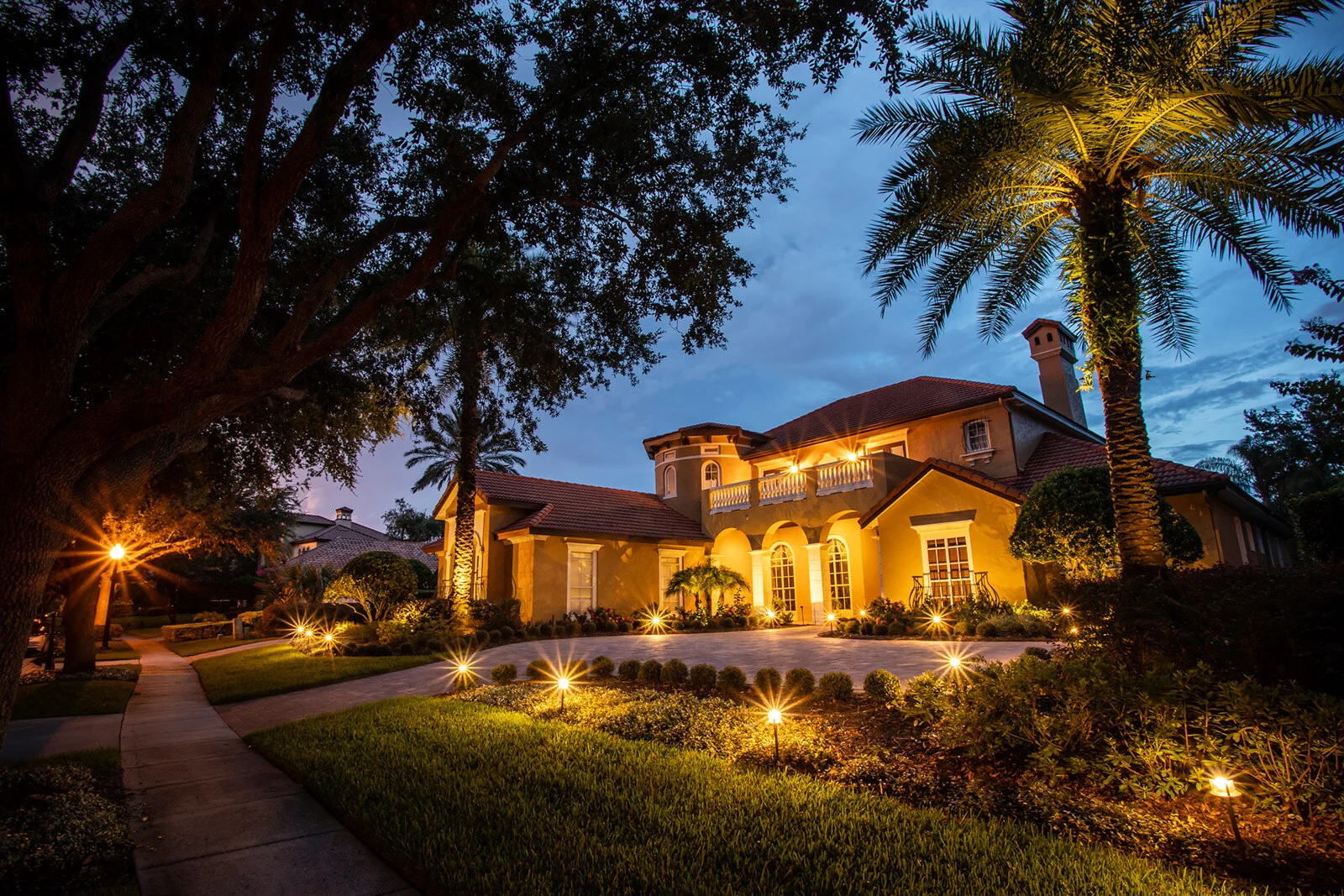
LANDSCAPE lIGHTNING
Professional setup of lighting systems to improve visibility and outdoor safety.
LandScaping Renovations
Full redesign and rebuild of existing landscapes to improve layout and use.
xeriscaping & eco landscaping
Development of drought-resistant yards using native plants and efficient watering systems.
Water Features
Installation of ponds, fountains, and waterfalls to add sound and motion to outdoor spaces.
Boulders & Natural Stones
Placement of large stones and natural rock to define space and add contrast.
Custom Infill Renovations
Reconstruction of smaller urban yards to improve space usage and appearance.
Retaining Walls
Construction of walls that hold back soil, manage slopes, and form strong borders.
Backyard Landscaping
Planning and installation of backyard areas for relaxation, entertainment, and function.
Front Yard Landscaping
Creation of front yard designs that improve appearance and add structure.
Artificial Turf & Sod
Delivery and installation of synthetic grass or real sod for instant green space.
Patio Construction
Building of patios using pavers, concrete, or stone for outdoor living areas.
Hardscaping
Installation of stone, concrete, or brick elements such as walkways, borders, and surfaces.
Softscaping
Planting of trees, shrubs, flowers, and ground cover to complete landscape layouts.
Planting Services
Selection and installation of climate-suitable plants for gardens and yard spaces.
Outdoor Structures
Building of wood-based features including screens, enclosures, and shade structures.
- Landscape Design
- Design & Build
- Carpentry
- Residential Maintenance
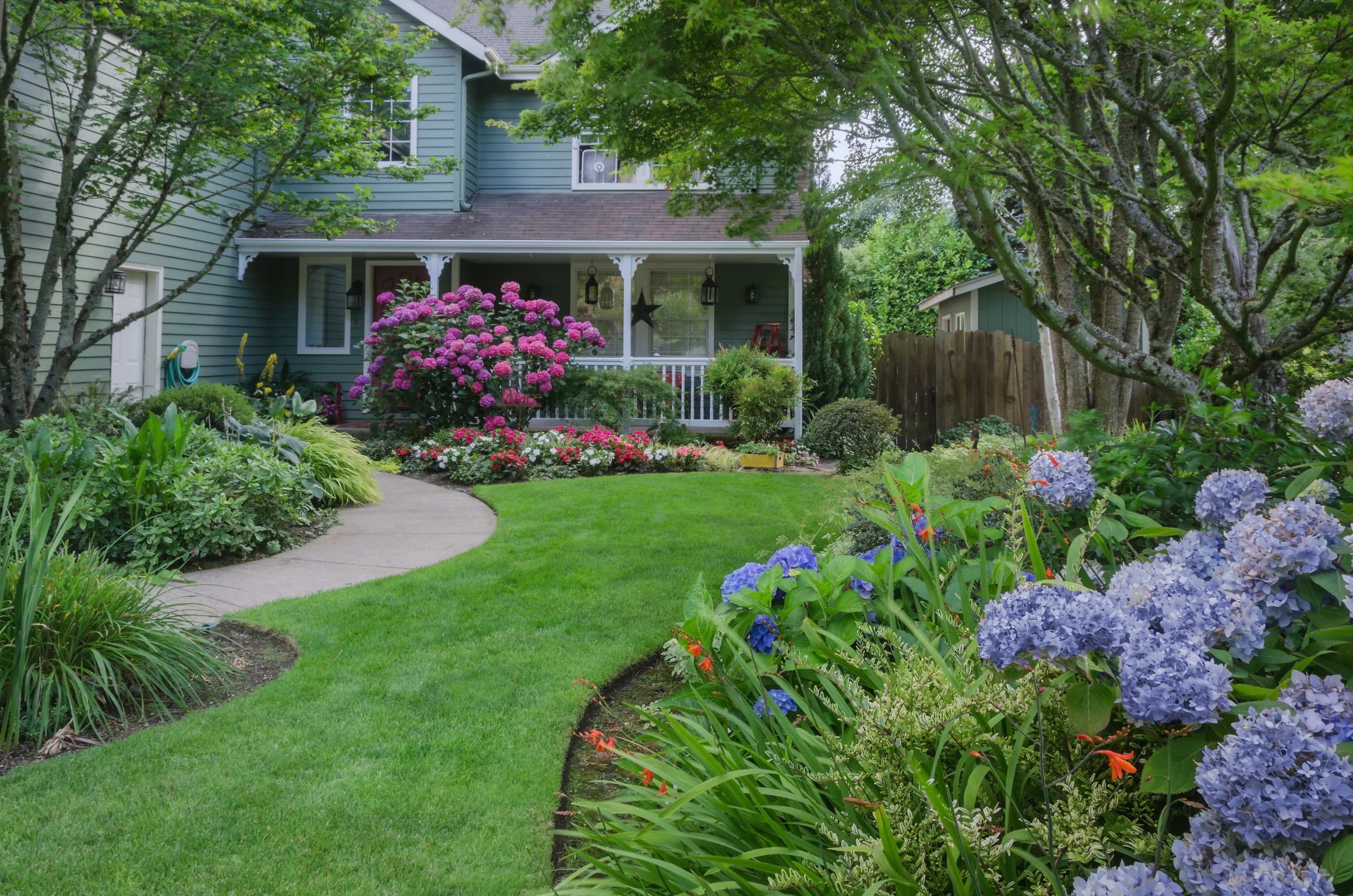
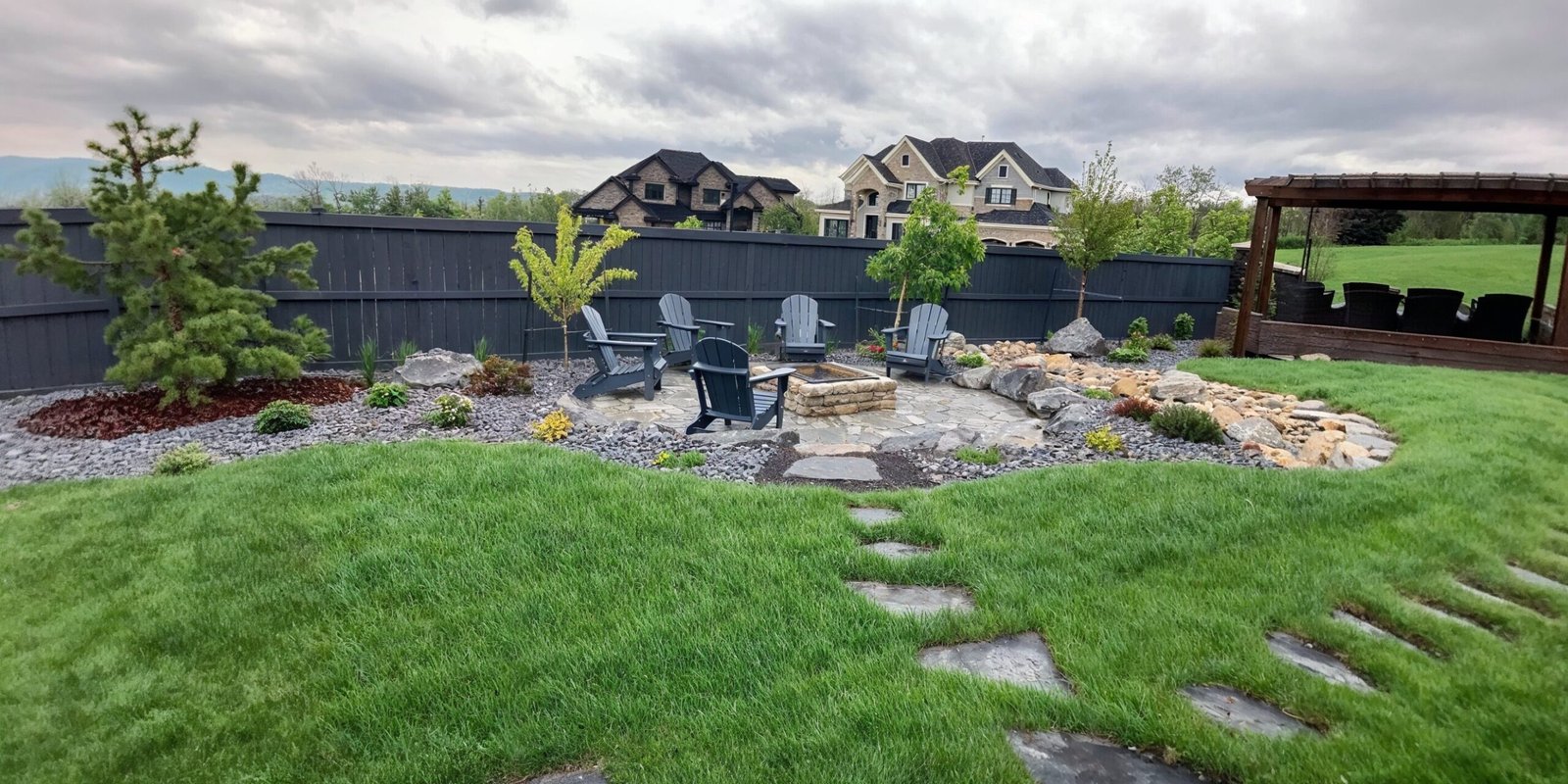
Low Maintenance Landscaping
Installation of landscapes that require minimal upkeep throughout the seasons.
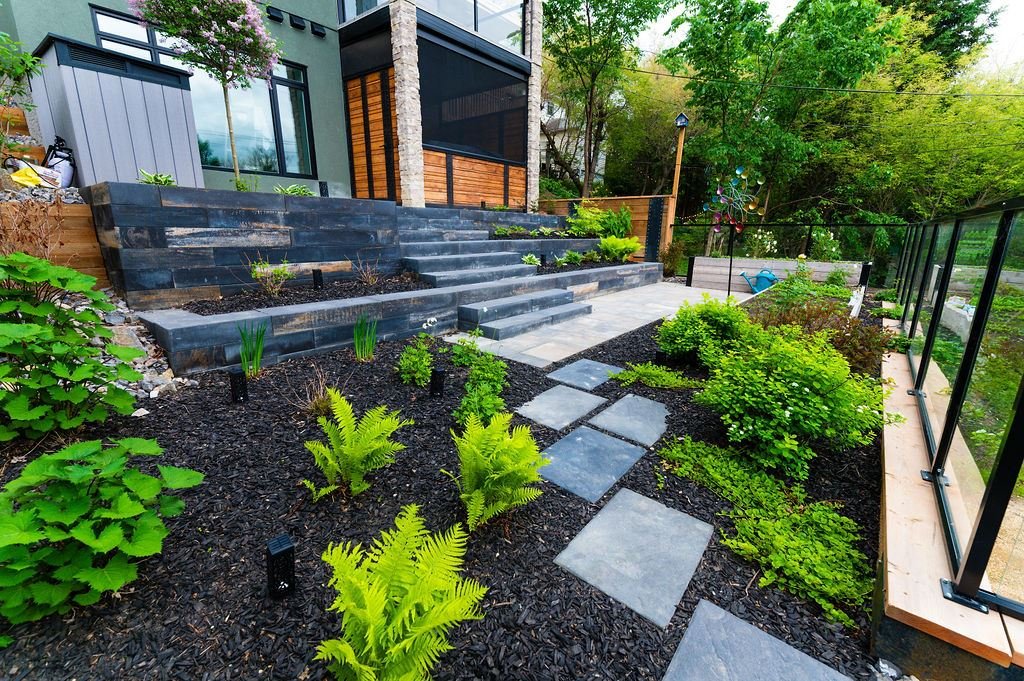
Xeriscaping & Eco Landscaping
Development of drought-resistant yards using native plants and efficient watering systems.
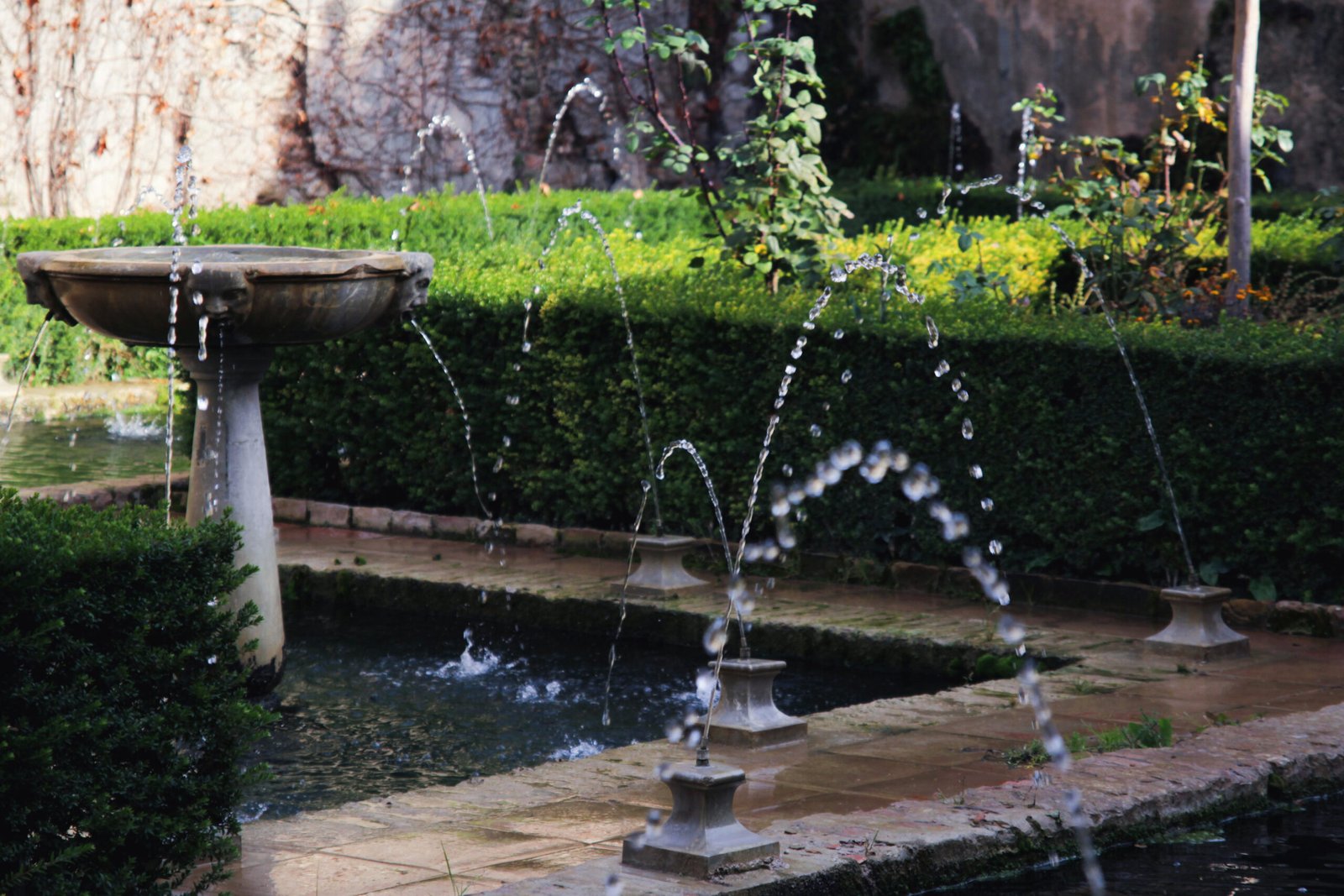
Water Features
Installation of ponds, fountains, and waterfalls to add sound and motion to outdoor spaces.
Boulders & Natural Stones
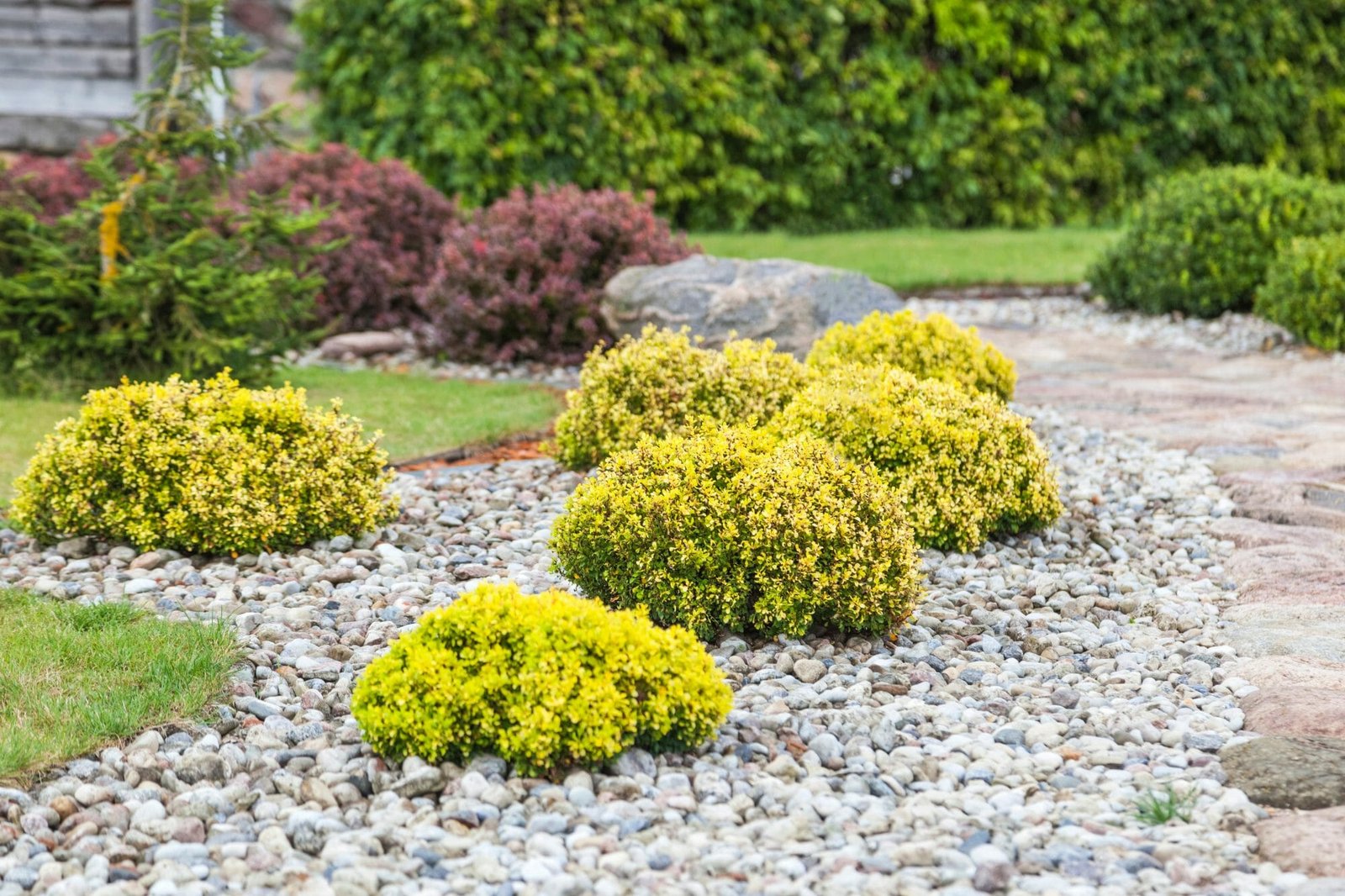
Placement of large stones and natural rock to define space and add contrast.
Custom Infill Renovations
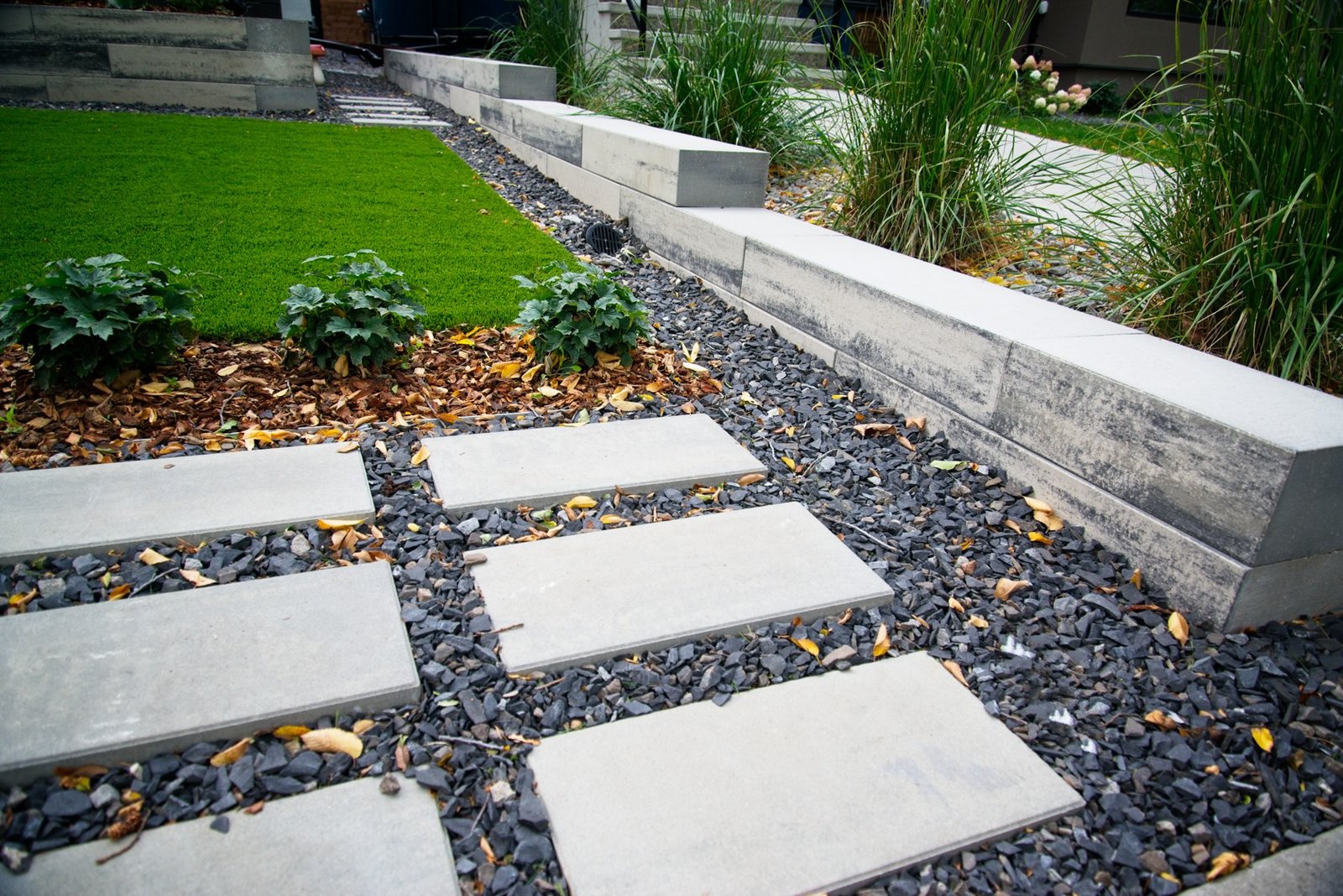
Reconstruction of smaller urban yards to improve space usage and appearance.

Book Softscaping in Edmonton today.
- Get in Touch
Determine You Want To Achieve Relaxing Garden An Functional.
Frequently Asked Questions
Softscaping includes all living and organic materials like plants, soil, and mulch, while hardscaping refers to stone, pavers, walls, and other built features.
Recommended plants include Karl Foerster grass, juniper, spirea, ninebark, echinacea, yarrow, and ornamental alliums.
Does softscaping require regular maintenance?
Yes. Native and drought-tolerant plants paired with mulch can significantly reduce the need for irrigation.
Most projects take 2 to 5 days depending on the number of plantings, layout complexity, and soil conditions.